U.S.–Iran War Tensions Escalate as Washington and Tehran Trade Fresh Warnings
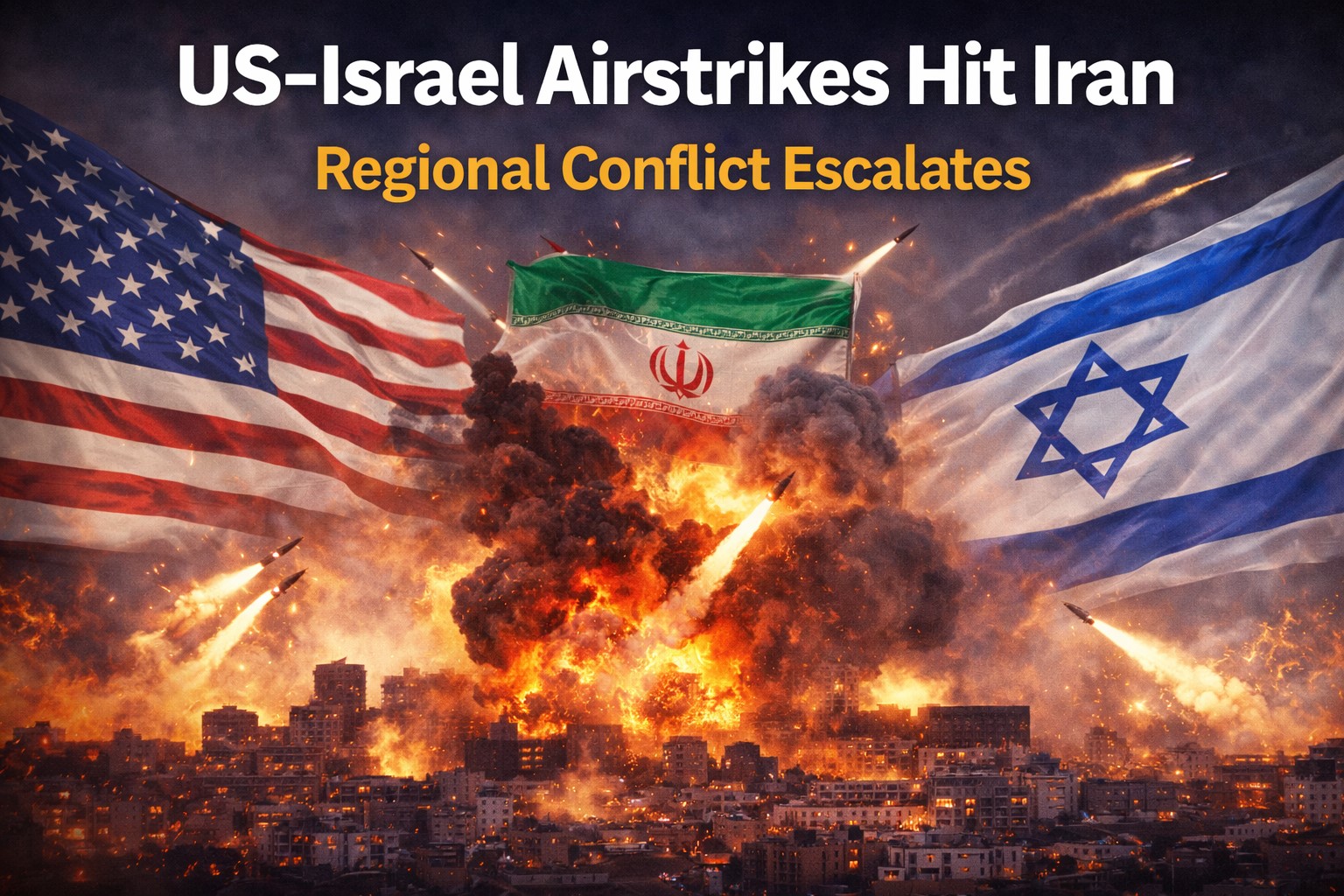
Tensions between the United States and Iran have surged in recent days, with both sides trading warnings amid a growing U.S. military buildup in the Middle East and heated diplomatic exchanges. U.S. President Donald Trump has signaled that an attack on Iran remains a possibility if Tehran fails to agree to terms demanded by Washington, while Iranian leaders have strongly rejected negotiations under threat and warned that any U.S. strike would be treated as the start of a full-scale war.
The situation has drawn global attention, with world leaders and regional actors expressing concern about the consequences of further escalation. Diplomatic efforts continue, but behind-the-scenes talks have shown limited progress, and public statements from both capitals reflect a deepening standoff.
What the United States Is Saying
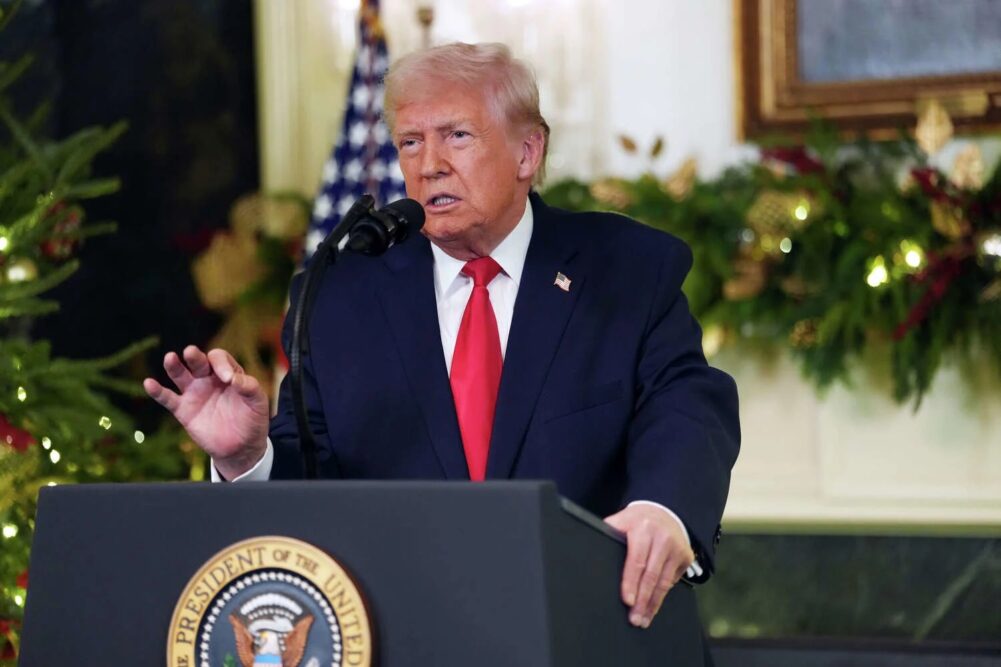
President Donald Trump and senior U.S. officials have taken a firm stance, maintaining that military action against Iran remains among Washington’s options. Trump has emphasized that Iran must choose between negotiations and facing possible military force, repeatedly warning Tehran that time is running out to reach a diplomatic settlement. He also highlighted the deployment of a U.S. naval armada toward Iranian waters, signaling readiness for escalation if necessary.
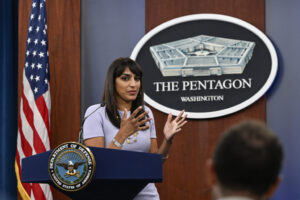
U.S. sources and security officials have also indicated that Washington is considering targeted strikes against Iranian leaders and elements perceived to be involved in suppressing protests and advancing destabilizing activities. These options are reportedly being weighed as part of broader pressure tactics aimed at compelling Tehran to shift its policies.
Despite warnings of potential force, Trump and U.S. diplomats continue to publicly call for Iran to return to negotiations and accept a deal — including demands on nuclear programs and regional behavior — though no breakthrough has yet been reported.
What Iran Is Saying
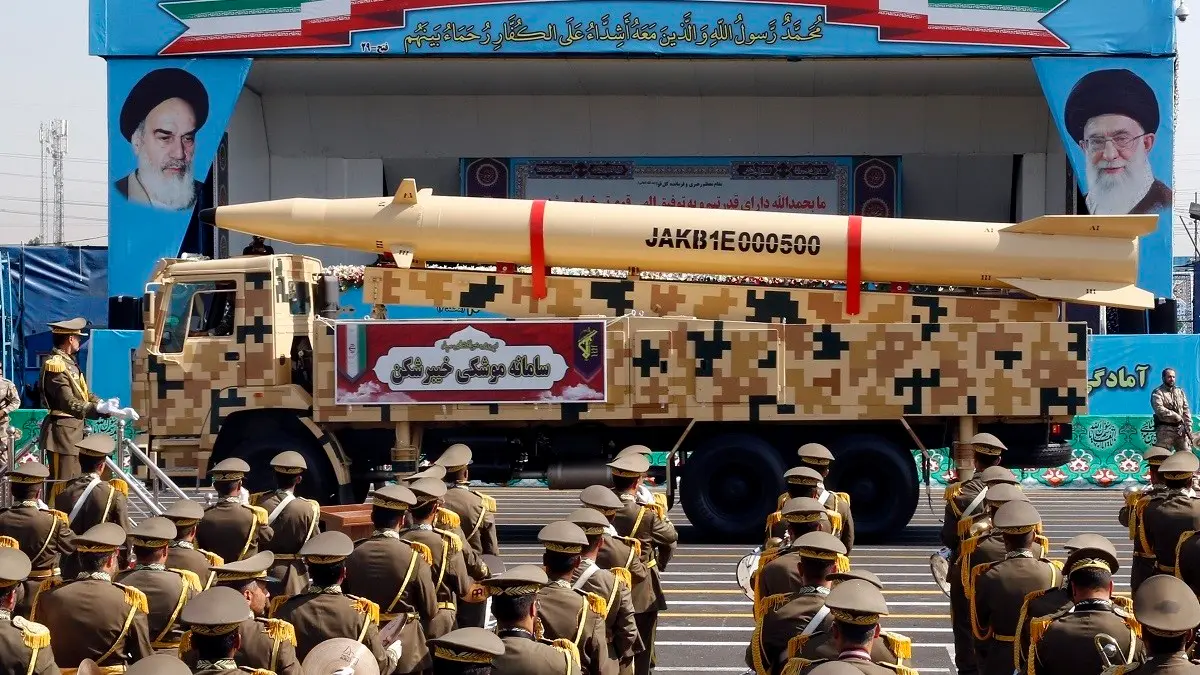
Iran has reacted defiantly to U.S. rhetoric. Foreign Minister Abbas Araghchi stated that diplomacy cannot succeed in an “atmosphere of threats”, asserting that Tehran will not engage in negotiations while under pressure from Washington. He insisted that meaningful talks require mutual respect rather than military intimidation.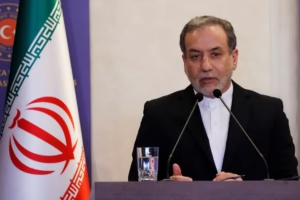 Iranian military officials have warned that any aggressive U.S. action will be met with immediate and forceful retaliation, dismissing the notion of limited strikes as unrealistic. According to Tehran, any attack — even one described by Washington as tactical or controlled — would be considered the start of a full-scale war, and Iran’s response would be both swift and significant.
In addition to official statements, Tehran’s leadership has continued to frame U.S. actions as part of a broader campaign of “hybrid warfare” and external pressure, arguing that persistent threats destabilize the region and undermine diplomatic channels.
The Broader Context and Diplomacy
Behind the public warnings, efforts at diplomatic engagement continue, though progress appears limited. Reports suggest that informal talks between Tehran and Washington have occurred but have yielded no significant breakthroughs, with both sides maintaining divergent demands and conditions for any ceasefire or peace deal.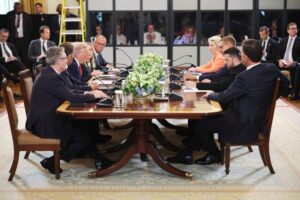 Regional and global leaders have expressed concern about the risks of escalation. Middle Eastern states, international organizations, and foreign capitals have urged restraint and dialogue, emphasizing that a military confrontation would have far-reaching consequences for energy markets, civilian populations, and international security.
Analysts note that past conflict episodes between the U.S. and Iran — including a fragile ceasefire that ended hostilities between Iran and Israel in mid-2025 — show how volatile and unpredictable these engagements can be.
Bottom Line
As tensions escalate, the situation between the United States and Iran remains volatile and unpredictable. With strong rhetoric from both sides, domestic pressures influencing policy, and no clear diplomatic breakthrough yet, the world continues to watch closely. Any miscalculation or military engagement could rapidly destabilize the region and have far-reaching global impacts.