High-Stakes Pressure Campaign Emerges as Trump Weighs Economic Action Over Iran
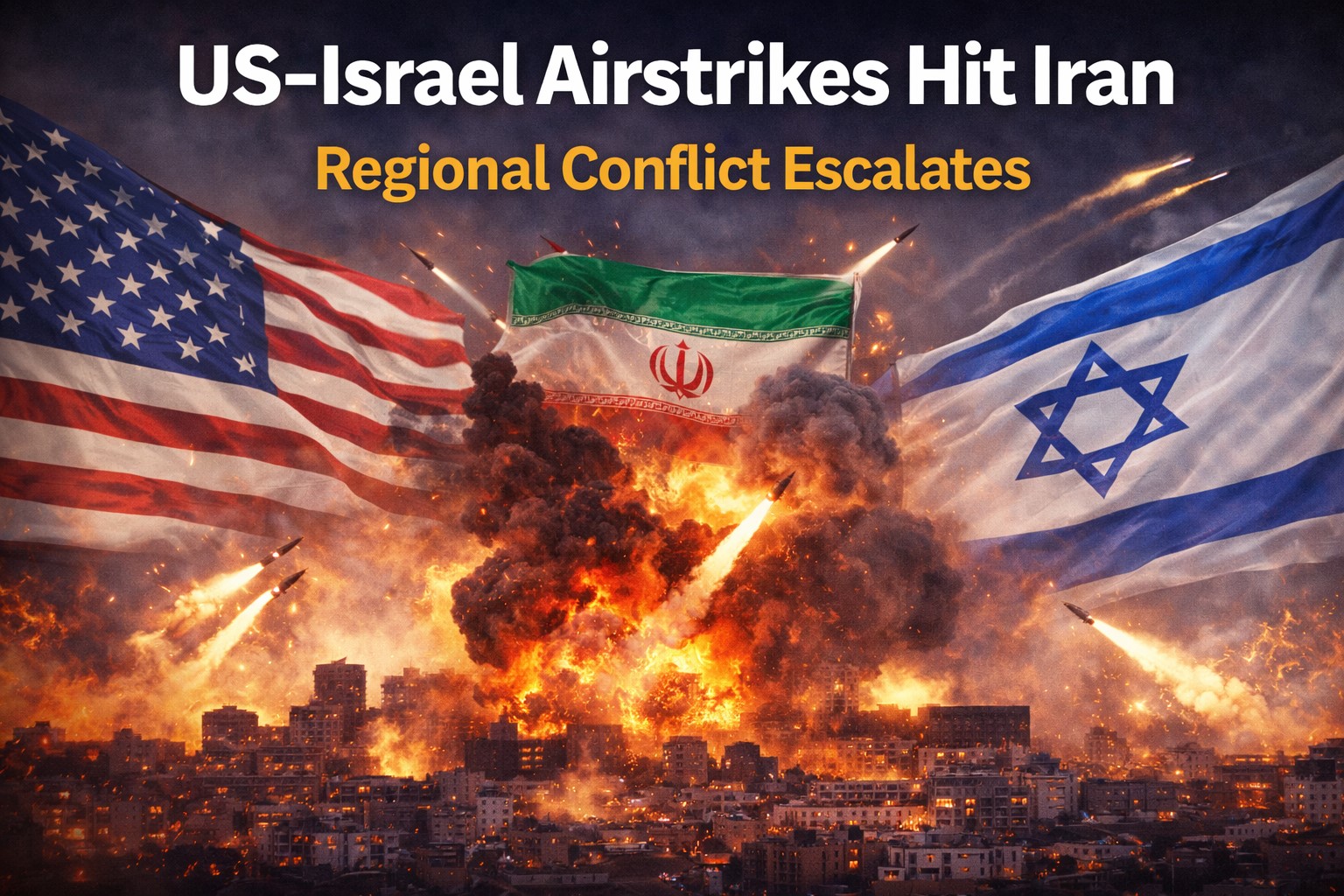
Reports emerging from diplomatic and policy circles suggest that former U.S. President Donald Trump is considering a series of extreme economic measures against certain Arab nations should they oppose potential U.S.–Israel military action on Iran. These measures reportedly include 100 percent tariffs on selected imports and the possibility of asset freezes, marking what analysts describe as a dramatic escalation in economic coercion.
If confirmed, such steps would represent a historic shift in the use of economic tools as a form of geopolitical pressure, blending trade warfare with military strategy in a manner rarely seen in modern international relations. Observers warn that the move could significantly raise tensions across the Middle East and beyond.
What’s Making This So Serious
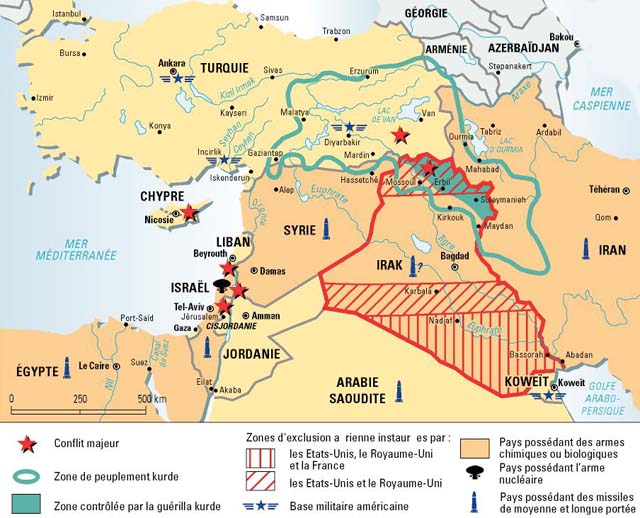
The seriousness of the situation lies in the deep divisions across the region. While countries such as the United Arab Emirates and Jordan are expected to align with Washington, several influential regional players have publicly rejected any military strikes on Iran.
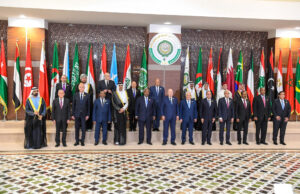
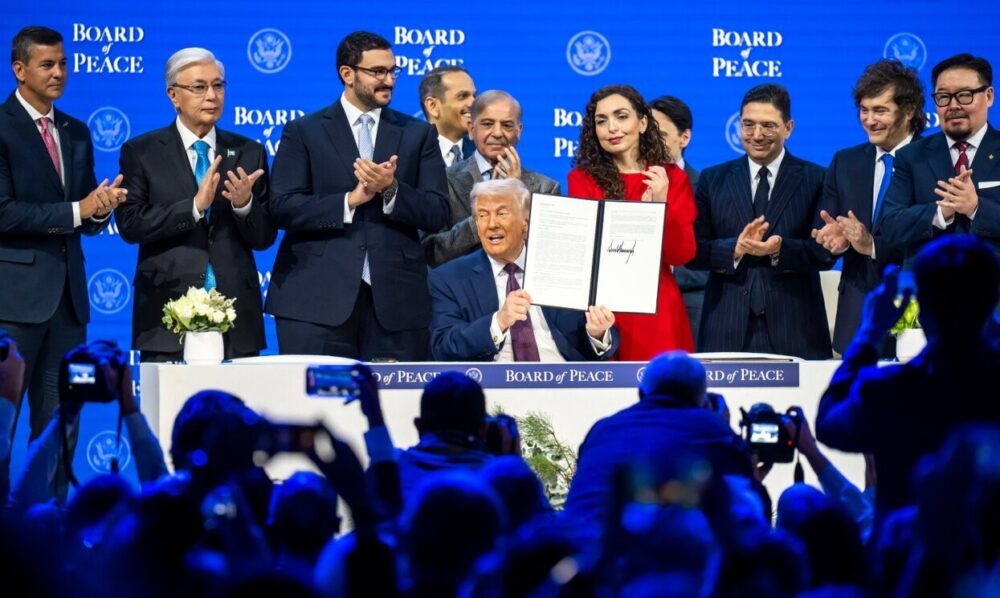
Tunisian Presidency/Handout via REUTERS Among the nations expressing opposition are Saudi Arabia, Qatar, Türkiye, and Pakistan, all of which have cautioned that military action could trigger wider instability. These governments have warned of potential fallout including disruptions to global energy supplies, heightened security risks, and the possibility of the Middle East entering a far more volatile phase. The prospect of punitive economic action against dissenting allies has further intensified concerns, raising questions about sovereignty, alliance politics, and long-term regional stability.
Why This Could Change Everything
Analysts suggest that the reported measures signal the emergence of a new enforcement doctrine, one that relies heavily on trade, financial systems, and sanctions to compel geopolitical alignment. Such an approach could redefine how major powers exert influence in future conflicts.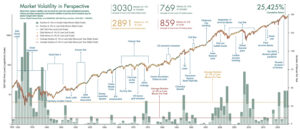
If implemented, experts warn the consequences could be far-reaching. Potential outcomes include sharp volatility in global financial markets, spikes in oil and energy prices, disruptions to international trade routes, and fractures within long-standing political and security alliances. The increased uncertainty could also elevate geopolitical risk well beyond the Middle East.
The Big Picture
This moment represents more than a diplomatic dispute. It reflects the growing use of economic leverage as a strategic weapon — pressure applied at scale, with global implications.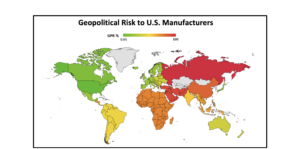
As tensions mount, international markets, governments, and security analysts are watching developments closely. A single miscalculation, observers warn, could reverberate across economies, alliances, and global security frameworks, reshaping the geopolitical landscape in unpredictable ways.