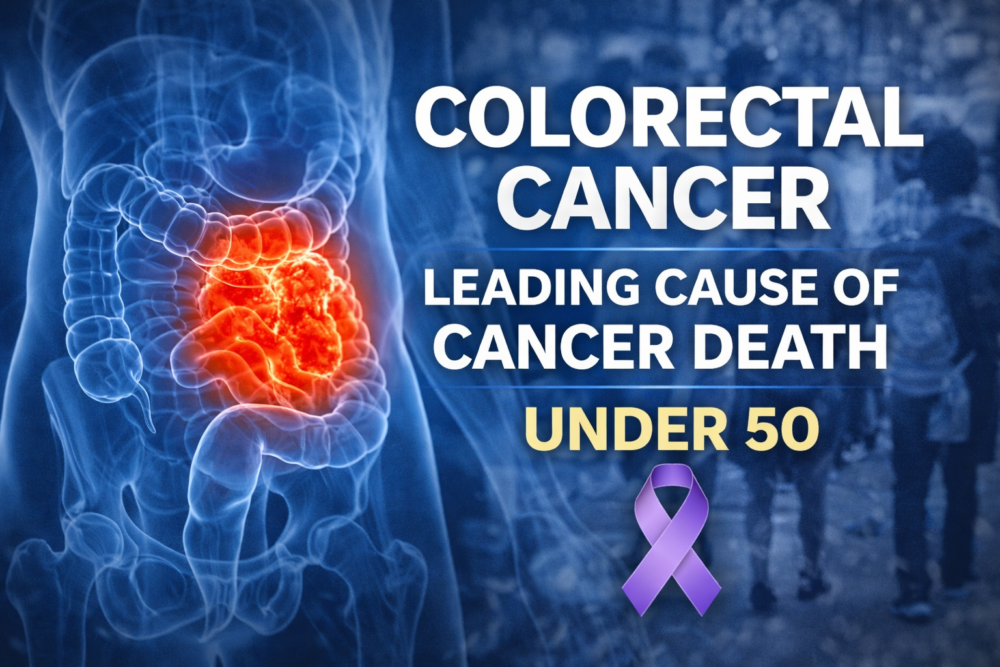
A striking new analysis published in the Journal of the American Medical Association shows that colorectal cancer has become the leading cause of cancer-related death among adults under the age of 50 in the United States, overtaking historically dominant cancers such as lung and breast cancer. Researchers from the American Cancer Society found that while overall cancer mortality in this age group has dropped by 44% from 1990 to 2023, deaths from colorectal cancer have increased by about 1.1% per year, pushing it to the top spot sooner than previously predicted.
A striking new analysis published in the Journal of the American Medical Association shows that colorectal cancer has become the leading cause of cancer-related death among adults under the age of 50 in the United States, overtaking historically dominant cancers such as lung and breast cancer. Researchers from the American Cancer Society found that while overall cancer mortality in this age group has dropped by 44% from 1990 to 2023, deaths from colorectal cancer have increased by about 1.1% per year, pushing it to the top spot sooner than previously predicted.
According to data analyzed from U.S. national health statistics, nearly 1.3 million cancer deaths occurred in Americans under 50 between 1990 and 2023, with colorectal cancer claiming more lives than all other major cancer types in this age group. In 1990, it ranked fifth among the causes of cancer deaths in people under 50 but by 2023 it had risen to number one. Experts say the trend reflects not only rising incidence among younger adults but also later-stage detection, which reduces chances of successful treatment.
The rising toll of colorectal cancer in younger adults has prompted calls for expanded public education about warning signs—such as persistent changes in bowel habits, blood in the stool, unexplained abdominal pain, and weight loss—and for healthcare systems to make screening more accessible to those at risk. With nearly 60 newly diagnosed cases expected daily in Americans under 50, experts emphasize that broad action is needed to reverse this alarming trend.
Read More: colorectalcancer.org